Individual agencies have agency-specific policies and processes to develop and improve the operational effectiveness of their operations.
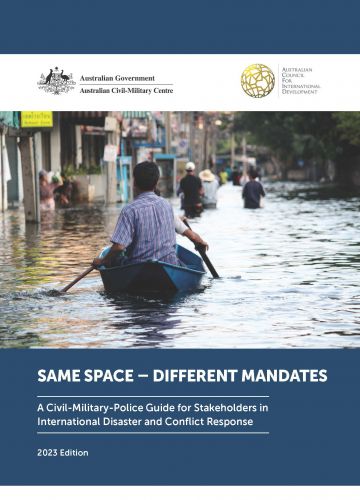
Civil-Military-Police interaction is the key to improving international response efforts to overseas disasters and conflicts.
Published
ASEAN-Australian Women, Peace and Security Dialogue
The United Nations’ Women, Peace and Security (WPS) agenda has emerged over the past decade and a half as a significant cross-cutting thematic program for achieving global peace and security.
Published
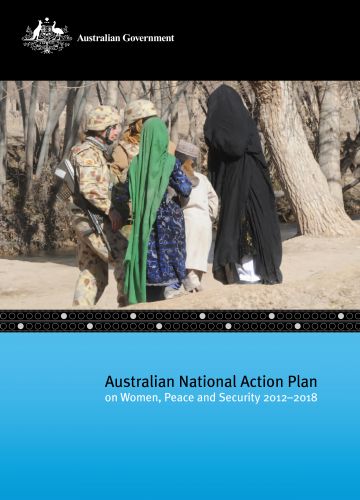
Australian National Action Plan on Women, Peace and Security 2012-2018
The National Action Plan sets out what Australia will do, at home and overseas, to integrate a gender perspective into its peace and security efforts, protect women and girls’ human rights, and promote their participation in conflict prevention, management and resolution. ACMC has a role in the design and implementation of this plan.
Article date
The Australian Civil-Military Centre hosted a roundtable discussion on 18 January for the visiting outgoing International Committee of the Red Cross (ICRC) Head of Delegation to South Sudan, Mr Francois Stamm, along with Australian ICRC
Director, Concepts and Capability
Mr Brian Boulton, AM, CSC
The Concepts and Capability Directorate integrates cross-agency programs on emerging civil-military-police concepts with research and initiatives building capability through preparedness, lessons and evaluation, and humanitarian-government coordination. The Directorate also includes ACMC’s Business Operations and Governance functions.
This video trailer is an introduction to "Leading Together, a Leadership Film" in which inspiring leaders share candidly what they have learned from hard won experience in international crisis response. - Watch online, order a FREE DVD copy.
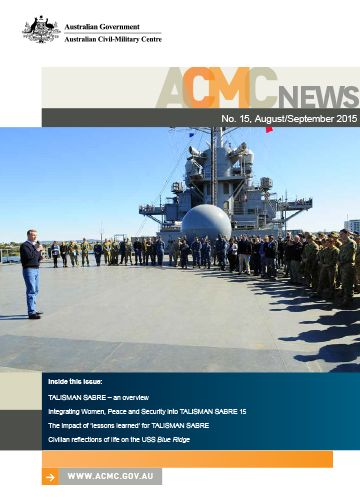
ACMC Newsletters
All editions available for download below
Interagency preparedness is an ongoing process and needs continual attention to develop a state of readiness.
Why is exploring leadership in international response efforts important for improving civil-military-police interaction?