


Leadership is less a process and more a culture. By empowering people to take ownership of their work, we can expect them to realise their full potential to accomplish their jobs and to be as innovative as possible.
Article date
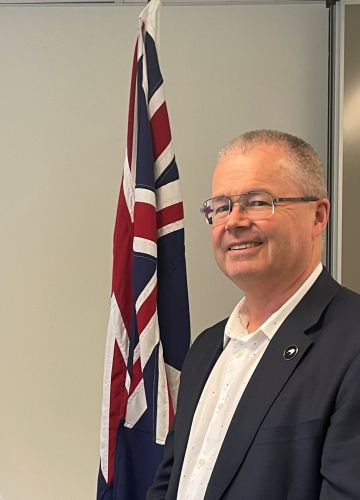
Former Chief of the Royal New Zealand Navy, Rear Admiral (rtd) David Proctor has joined ACMC as Deputy Executive Director
Published
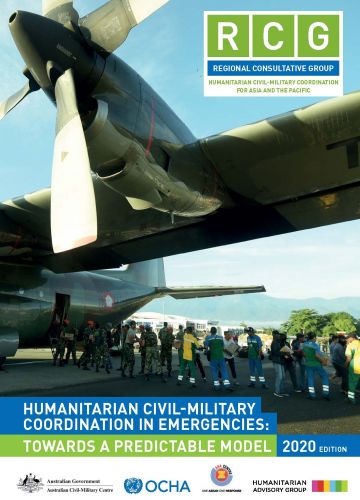
Humanitarian Civil-Military Coordination in Emergencies: Towards a Predictable Model
The Regional Consultative Group (RCG) on Humanitarian Civil-Military Coordination (CMCoord) for Asia and the Pacific is a key forum for supporting and elevating coordination, building relationships, and sharing learning to enhance and strengthen emergency response.
Published
Australian Government Guiding Principles for Civil-Military-Police Interaction in International Disaster and Conflict Management
This document affirms the principles that guide the Australian Government and its stakeholders in international multiagency response efforts. It captures the best of the learning that has come from the Australian experience of contemporary operations overseas.
Article date
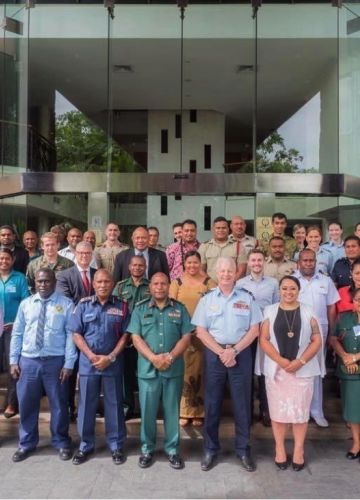
The Future Leaders’ Summit is an initiative of the South Pacific Defence Ministers Meeting.
Published
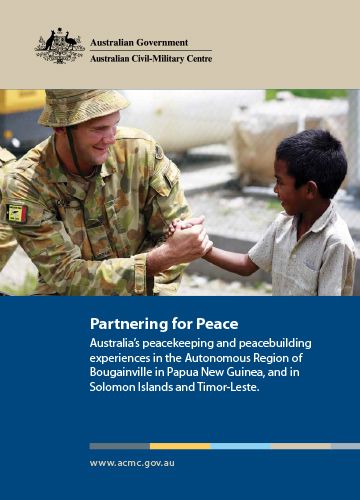
Partnering for Peace
Australia’s peacekeeping and peace-building experiences in the Autonomous Region of Bougainville in Papua New Guinea, and in Solomon Islands and Timor-Leste.
Through constructive conversations, we connect with others, inspire, influence, build understanding and innovate. They are the major forum where we learn from each other, solve problems, make decisions, build relationships and take action.

Director, Partnerships and Preparedness
Maryann Horne
The Directorate of Partnerships and Preparedness builds and fosters relationships with government and non-government stakeholders, using the work of ACMC to influence better policy and advocate for civil-military collaboration in that community.
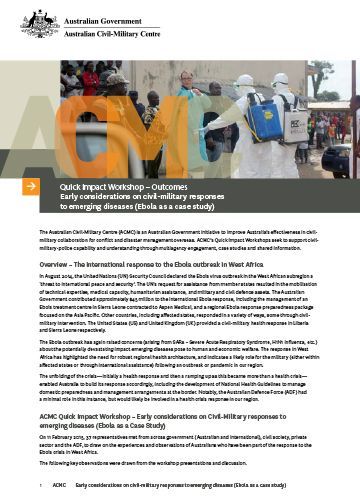
Quick Impact Workshop – Outcomes Early considerations on civil-military responses to emerging diseases - Ebola as a case study
In August 2014, the United Nations (UN) Security Council declared the Ebola virus outbreak in the West African subregion a ‘threat to international peace and security’. The UN’s request for assistance from member states resulted in the mobilisation of technical expertise, medical capacity, humanitarian assistance, and military and civil defence assets.
Published
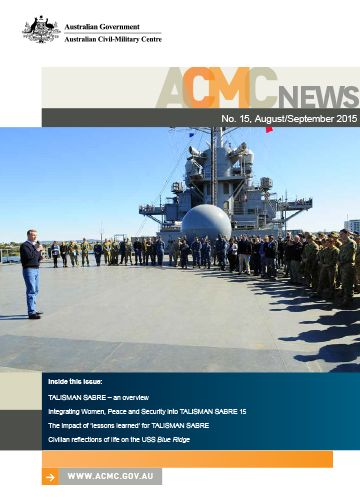
TALISMAN SABRE – an overview
The past decade of operations has taught us that in order to more effectively respond to complex international crises, it is necessary for civil, military and police actors to understand each other and work together in a comprehensive ma