


Humanitarian action involves immediate emergency actions that address significant needs for protection, health, water, hygiene and sanitation that emerge as a result of either a conflict or disaster.
Published
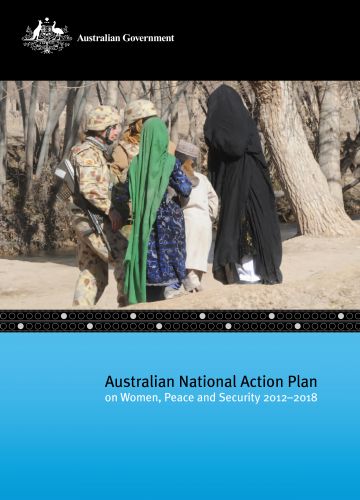
Australian National Action Plan on Women, Peace and Security 2012-2018
The National Action Plan sets out what Australia will do, at home and overseas, to integrate a gender perspective into its peace and security efforts, protect women and girls’ human rights, and promote their participation in conflict prevention, management and resolution. ACMC has a role in the design and implementation of this plan.
Article date
The Indo-Pacific is the world’s most disaster-prone region. The increasing frequency and severity of natural disasters requires government agencies, militaries and NGOs to consider how they can better prepare and respond to crises together.
Published
Australian Guidelines for the Protection of Civilians
A whole-of-government perspective on the Protection of Civilians (POC) in international situations of armed conflict and other situations of violence.

Director General
Nicola Rosenblum
The position of ACMC Director General is provided by the Department of Defence, but serves a whole of government mandate.
Published
ASEAN-Australian Women, Peace and Security Dialogue
The United Nations’ Women, Peace and Security (WPS) agenda has emerged over the past decade and a half as a significant cross-cutting thematic program for achieving global peace and security.
Published
Australian Government Guiding Principles for Civil-Military-Police Interaction in International Disaster and Conflict Management
This document affirms the principles that guide the Australian Government and its stakeholders in international multiagency response efforts. It captures the best of the learning that has come from the Australian experience of contemporary operations overseas.
Published
Conflict-related Sexual and Gender-based Violence
An introductory overview to support prevention and response efforts.
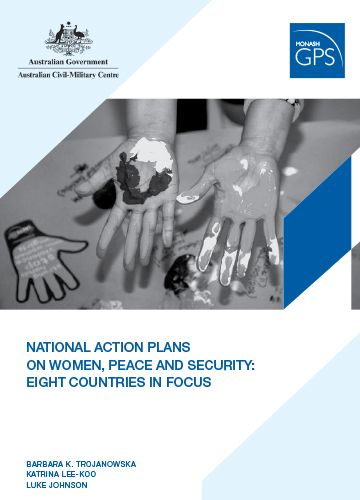
National Action Plans on Women, Peace and Security - Eight Countries in Focus
The purpose of this report is to identify the lessons learned and emerging best practices of UN Member States committed to the implementation of this agenda through National Action Plans (NAPs).

Article date
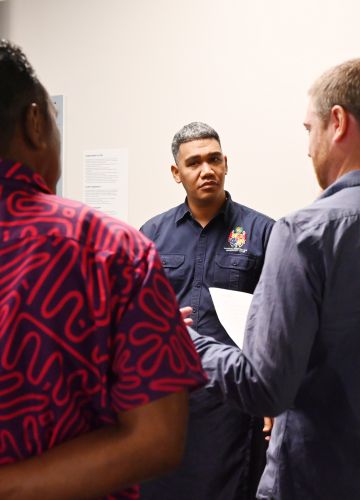
The Australian Civil Military Centre conducted stakeholder engagement and outreach at the Asia Pacific Ministerial Conference on Disaster Risk Reduction (APMCDRR), held in Brisbane, September 2022.